
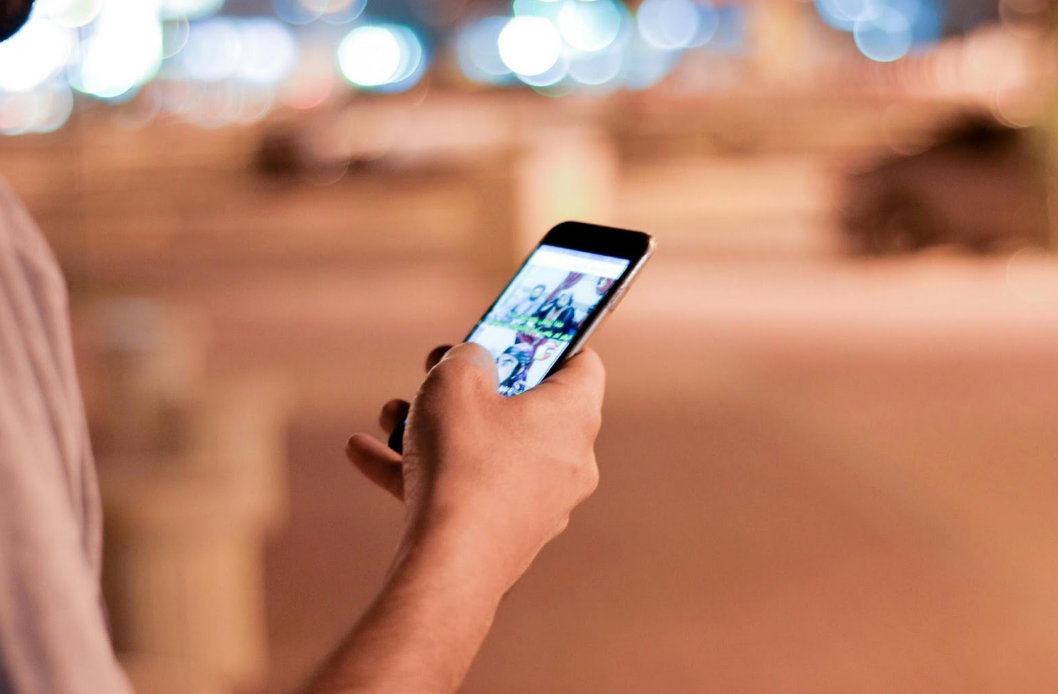
The constant stream of celebrity updates and perfect selfies can change how we view ourselves. We see famous figures with flawless skin and perfect bodies every single day. It is easy to forget that these images often go through hours of professional editing.
These stars have teams of stylists and trainers to help them maintain a specific look. When we compare our real lives to their highlight reels, our self-esteem can take a hit. Understanding this influence is the first step toward protecting our mental health.
Image Source: https://www.pexels.com/photo/man-holding-and-scrolling-a-black-smartphone-63572/
The Pressure of Perceived Perfection
Living in a world of constant digital connection means we are always looking at someone else’s best moments. This creates a standard of beauty that is almost impossible for a regular person to reach. We start to feel that we should look a certain way to be successful or happy.
A report from Penn State Extension found that 48% of teens believe social media has a negative impact on people their age. This number has jumped significantly from just a couple of years ago. It shows that more young people are realizing how these platforms affect their mood. This growing awareness highlights the importance of accessible mental health services.
For individuals facing serious challenges with body image and food, seeking professional support through Oasis treatment for eating disorders can make a life-changing difference. Finding professional support can make a huge difference when body image issues become too heavy to carry alone.
Digital Curated Realities
Celebrities often use filters and professional lighting to create the perfect shot. They want to maintain a specific brand image for their fans and sponsors. We only see the finished product, not the work that went into it.
- Professional makeup artists spend hours hidden behind the scenes.
- Editing apps can change body shapes with a single swipe.
- Paid trainers and chefs make staying fit a full-time job for stars.
- Lighting experts ensure there are no shadows or skin blemishes.
Research shared by ResearchGate indicates that frequent engagement with appearance-focused content correlates with lower self-perceived attractiveness. Seeing edited photos makes us feel less happy with our own natural features. We forget that the person in the photo might not even look like that in real life. This cycle of comparison can lead to a very negative mindset over time.
Cosmetic Trends and Social Influence
Many people now look at celebrity features as a checklist for their own bodies. When a famous person gets a specific procedure, it often becomes a trend for everyone else. This shift makes permanent medical choices feel like temporary fashion statements. It can be dangerous to make health decisions based on what is popular on a screen.
Some medical journals have noted that nearly half of the people surveyed felt influenced by social media to consider cosmetic procedures. This pressure comes from seeing the same face shapes and body types everywhere we look. It makes us feel like our unique traits are flaws that need to be fixed. Choosing to change your body should be a personal choice, not a reaction to a trend.
The Mental Toll of Comparison
The internal voice that tells us we are not enough often gets louder the more we scroll. We might spend hours looking at celebrities and feeling like we are falling behind. This habit can lead to anxiety and a loss of confidence in social situations. It is hard to feel good about yourself when you are constantly grading yourself against a celebrity.
One survey of British citizens revealed that a huge majority believe celebrity culture negatively impacts how young people see their bodies. This is a widespread concern that spans across different countries and ages. Most people agree that these standards are not healthy or realistic. We must remind ourselves that our worth is not tied to how closely we match a digital image.
Breaking the Cycle of Dissatisfaction
Changing how we interact with celebrity content can improve our daily mood. We can choose to follow accounts that show reality instead of just perfection. Taking breaks from social media helps us reconnect with our real-world accomplishments. It gives our brains a rest from the constant pressure to look a certain way.
Recent studies show that toxic beauty content on social media impacts the mental health of one in two children. This statistic is a wake-up call for everyone using these apps. We have to be careful about what we let into our minds every day. If an account makes you feel bad about your body, it might be time to hit the unfollow button.
Finding Balance in a Digital World
It is possible to enjoy celebrity news without letting it ruin your self-image. We just need to stay aware of the tools used to create those images. Remembering that fame is a business helps us keep a healthy distance. Their job is to look a certain way, but our job is just to be ourselves.
- Set time limits on apps that focus heavily on photos.
- Follow creators who post about hobbies and skills.
- Remind yourself that filters are not reality.
- Focus on what your body can do rather than just how it looks.
An article in the Journal of Palliative Care mentions that AI-generated filters contribute heavily to body dissatisfaction. These tools are now so common that we barely notice them anymore. They create a version of “beauty” that does not actually exist in the physical world. Staying grounded in reality helps us stay happy with who we are.
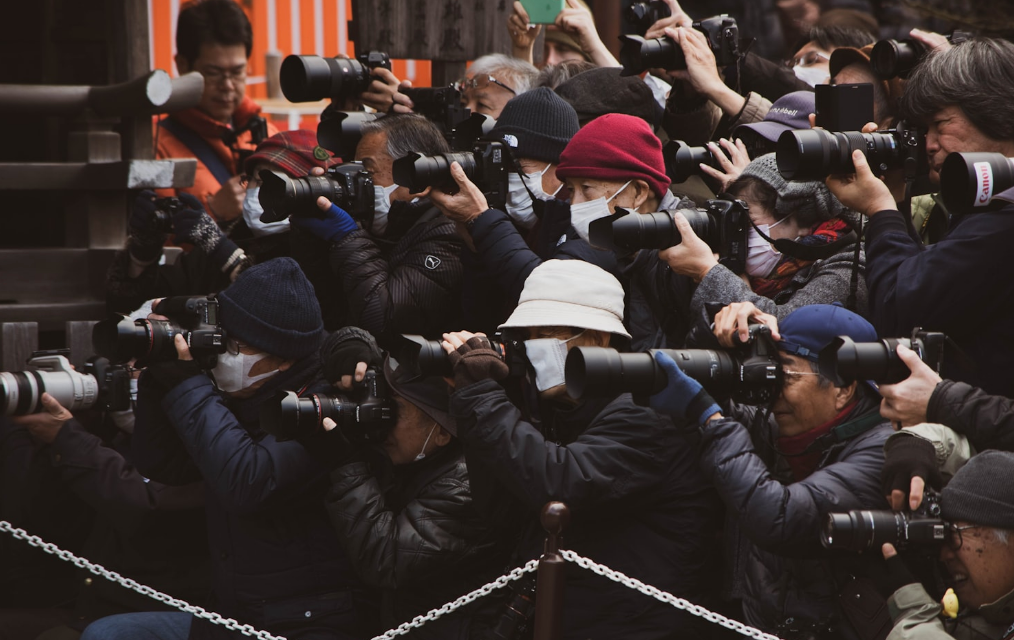
Understanding the impact of celebrity culture allows us to reclaim our self-esteem. We can appreciate the talent of famous people without wanting to become them. Life is much better when we are not trying to live up to a fake standard. By focusing on what is real, we can finally feel comfortable in our own skin. There is a lot of joy to be found when we stop looking at the screen and start looking at the world around us. Your value is found in your actions and your heart, not in a filtered photo on a timeline.