
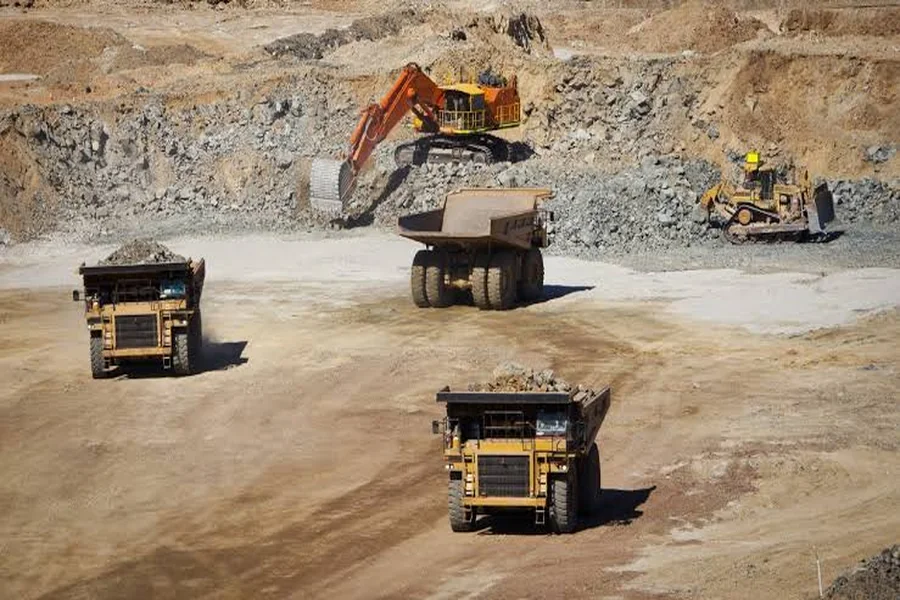
Mining has always been a sector fraught with challenges, many of which revolve around safety. One of the notable technological advancements in recent years is collision avoidance in mines. This technology is essential for preventing accidents and ensuring the safety of miners. In this blog, we will explore the components of this life-saving technology and delve into how it functions to make the mining environment safer.
The Basics of Collision Avoidance Technology
Collision avoidance technology in mines utilises a combination of hardware and software systems designed to prevent accidents between mining vehicles and personnel. These systems are equipped to detect potential hazards and initiate warnings or automatic interventions to avoid collisions. The necessity for such technology stems from the complex operating environments within mines, where visibility is often poor, and spaces can be confined.
Key Components of the System
The heart of collision avoidance systems lies in a variety of sensors, including radar, GPS, LIDAR, and RFID (Radio-Frequency Identification). Radar and LIDAR sensors are particularly effective in detecting obstacles in the mine’s vicinity, while GPS systems help in mapping the real-time position of vehicles. RFID technology can be utilised to manage the location and movement of personnel and equipments, ensuring that potential collisions between machinery, vehicles, and individuals are mitigated.
How Detection and Warning Systems Operate
Detection systems are critical to identifying potential hazards in real-time. They continuously monitor the environment for obstructions or proximity issues. Once an imminent collision is detected, the system alerts the operator via visual or auditory signals. In more advanced setups, the system can autonomously operate vehicle controls to decelerate or stop, effectively preventing the collision.
Integration with Other Mining Technologies
One of the defining features of modern collision avoidance systems is their ability to integrate seamlessly with other mining technologies. For instance, they often work in tandem with fleet management systems, which optimise equipment movement and scheduling. This integration ensures that traffic within the mines is not only safer but also more efficient. These systems can be combined with telematics to provide valuable data analytics on vehicle operation and safety metrics, fostering a culture of continuous improvement in safety practices.
The Human Element: Training and Implementation
Despite the advanced nature of collision avoidance technology, the human element remains crucial to its successful implementation. Training programmes are essential to ensure that operators are well-versed in using these technologies effectively. Understanding how to interpret system alerts and engage manual override when necessary is critical. Moreover, fostering an attitude of safety and vigilance can augment technological measures and make mining sites safer overall.
In conclusion, collision avoidance systems offer a multifaceted approach to enhancing safety in mines. By combining state-of-the-art sensors, integrated software solutions, and comprehensive operator training, these systems provide a robust defence against the inherent risks of mining operations. As technology evolves, these systems are likely to become even more advanced, contributing further to the well-being of those working in one of the world’s most challenging industries.