
There is a point in every homeowner’s lawn care journey when effort no longer matches results. The grass has been watered consistently. Mowing happens on schedule. Fertilization has been applied with care. Yet something still feels off. A few patches begin to discolor. Growth looks uneven. Small insects start appearing where they were not noticeable before.
At first, it is easy to overlook these changes. But over time, they become harder to ignore. The lawn does not recover the way it used to, and the frustration begins to build. That is when timing becomes the real question.
Lawn pest control is not just about choosing the right treatment. It is about understanding when the lawn actually needs it and how it fits into a complete lawn care routine. Applying treatments too early may limit effectiveness. Applying them too late may allow damage to spread. When timing, weed control, and fertilization work together, the difference in lawn care results becomes clear.
When Is The Best Time To Apply Lawn Pest Control For Lasting Results
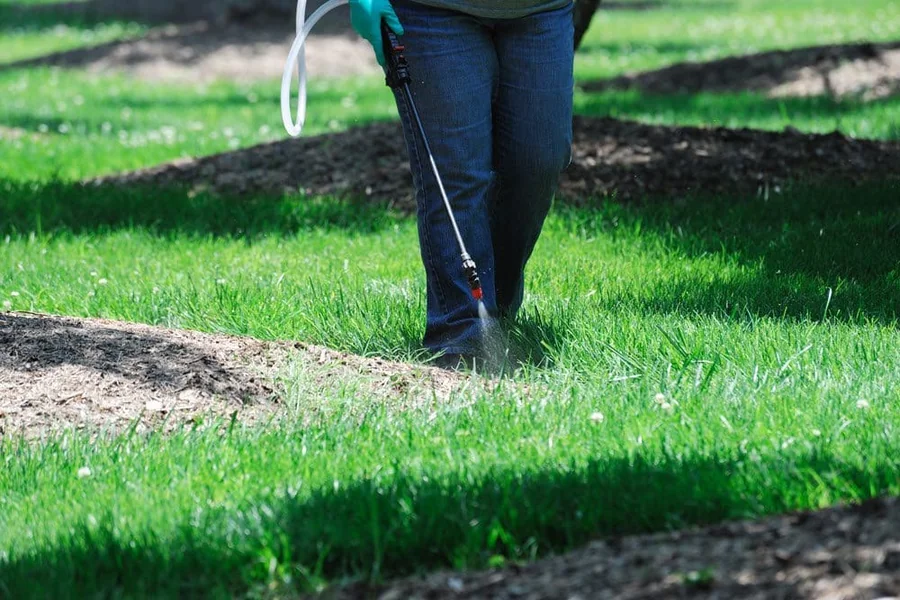
The best time to apply lawn pest control depends on both daily conditions and seasonal patterns. Most treatments perform better when applied early in the morning or later in the evening. During these hours, temperatures are cooler and winds are calmer, which allows treatments to settle properly into the soil and grass.
Seasonal timing plays an even greater role in lawn care success. Early spring is often the most important window for preventative lawn pest control. At this stage, pests are just beginning their life cycle, and treatments can stop them before they become active.
Late spring and early summer mark a period of increased activity. This is when lawn pest control shifts from prevention to targeted treatment. Fertilization during this time supports grass growth, while weed control reduces competition, creating a stronger foundation for the lawn.
By late summer and early fall, another wave of pest activity often appears. Applying lawn pest control during this period helps protect the lawn before it enters dormancy. When combined with proper fertilization, this timing strengthens the lawn for the next growing season.
How Pest Life Cycles Shape Lawn Care Timing
Understanding pest life cycles is one of the most important aspects of effective lawn pest control. Many homeowners focus on visible damage, but by the time pests are easy to see, they have already established themselves.
Grubs, for example, are most vulnerable when they are young and close to the surface. Applying lawn pest control during this stage prevents them from damaging grassroots. Waiting too long reduces the effectiveness of treatments and makes recovery more difficult.
Surface pests follow similar patterns. As temperatures rise, their activity increases. This is why lawn care strategies must adapt throughout the season. Weed control and fertilization also play a role here, as a healthy lawn is better equipped to resist pest damage.
By aligning lawn pest control with these natural cycles, homeowners can shift from reacting to problems toward preventing them. This approach creates more consistent lawn care results over time.
Why Lawn Care Requires A Seasonal Strategy Instead Of One Time Treatments
Effective lawn care is built on consistency rather than isolated treatments. Lawn pest control works best when it is part of a structured seasonal approach that includes weed control and fertilization.
In early spring, the focus is on prevention. Lawn pest control targets emerging pests, while weed control stops unwanted growth before it spreads. Fertilization at this stage supports early grass development.
As the season progresses into late spring and summer, lawn pest control becomes more targeted. Active infestations are addressed, and fertilization continues to strengthen the lawn. Weed control ensures that nutrients are directed toward healthy grass rather than invasive plants.
In the fall, lawn pest control helps break the cycle before winter. Fertilization during this period supports root growth, which improves resilience for the next season. Weed control remains important to prevent late season growth from taking hold.
This layered approach ensures that lawn care remains consistent rather than reactive. It also reduces the likelihood of recurring issues.
How Weather Conditions Affect Lawn Pest Control, Weed Control, And Fertilization
Weather conditions can significantly influence the effectiveness of lawn pest control. Even well timed treatments may underperform if environmental factors are not considered.
Rain is one of the most important variables. Applying lawn pest control just before heavy rain can reduce its effectiveness, as treatments may be washed away. On the other hand, light watering after application can help certain treatments penetrate the soil and support lawn care goals.
Temperature also plays a role. High heat can cause treatments to evaporate too quickly, while cooler conditions allow them to remain active for longer. Fertilization and weed control are also affected by temperature, as extreme heat can stress the lawn and reduce absorption.
Wind can interfere with even application, especially when using spray treatments. Calm conditions improve coverage and ensure better results.
For homeowners committed to effective lawn care, monitoring weather patterns helps maximize the impact of lawn pest control, weed control, and fertilization.
Signs Your Lawn Needs Immediate Lawn Pest Control
While planning is essential, there are times when immediate lawn pest control is necessary. Certain signs indicate that pests are already affecting the lawn and require prompt attention.
Sudden brown patches are often one of the first visible indicators. These areas may expand quickly if left untreated. Grass that pulls up easily can signal root damage, often caused by grubs.
Visible insects on the surface are another clear sign. Increased bird activity may also indicate pests beneath the soil, as birds are drawn to feeding on them. Uneven growth and thinning areas suggest that the lawn is under stress.
In these situations, lawn pest control becomes a priority within the overall lawn care routine. Coordinating treatments with weed control and fertilization helps the lawn recover more effectively.
Preventative Versus Reactive Lawn Pest Control In Lawn Care
There are two primary approaches to lawn pest control, and both play a role in maintaining a healthy lawn. Preventative treatments are applied before pests become visible. These treatments are typically scheduled in early spring and are designed to stop infestations before they begin.
Reactive treatments are used when pests are already present. While effective, they often require more effort and may not fully reverse existing damage. This is why combining both approaches is essential for long term lawn care success.
Preventative lawn pest control reduces the likelihood of severe infestations. Reactive treatments provide a backup when issues arise. Weed control and fertilization support both approaches by strengthening the lawn and reducing vulnerability.
This balanced strategy creates a more resilient lawn that is better equipped to handle seasonal challenges.
How Often Lawn Pest Control Should Be Applied For Consistent Lawn Care
The frequency of lawn pest control applications depends on several factors, including climate, pest activity, and overall lawn care practices. In many cases, treatments every six to eight weeks during active seasons provide consistent results.
Preventative applications may require less frequent scheduling, while reactive treatments may need to be applied more often depending on the severity of the problem. Weed control and fertilization schedules should align with these treatments to ensure they complement each other.
Consistency is more important than intensity. Regular applications create a stable environment that discourages pests and supports healthy grass growth. Over time, this reduces the need for reactive treatments and simplifies lawn care routines.
How Lawn Pest Control, Weed Control, And Fertilization Work Together
Lawn pest control does not operate in isolation. It is part of a larger system that includes weed control and fertilization. Each element supports the others, creating a balanced approach to lawn care.
Fertilization provides essential nutrients that strengthen grass and promote growth. Weed control removes competition, allowing the lawn to absorb those nutrients more effectively. Lawn pest control protects the grass from damage caused by insects.
When these elements are timed correctly, they reinforce each other. Fertilization encourages growth, weed control maintains space for that growth, and lawn pest control protects it from harm.
This integrated approach is what separates average lawn care from consistently strong results.
The Role Of Professional Services In Lawn Care Timing
Managing lawn pest control, weed control, and fertilization can be challenging, especially when timing plays such a critical role. Professional lawn care services often have a deeper understanding of local conditions and pest cycles.
They can identify the optimal timing for treatments and ensure consistency throughout the season. This reduces the guesswork and helps maintain a more stable lawn care routine.
For homeowners who prefer a hands on approach, learning from professional recommendations can still improve results. Even small adjustments in timing can make a noticeable difference in how the lawn responds.
Final Thoughts
Applying lawn pest control at the right time is one of the most important factors in maintaining a healthy and resilient lawn. It is not just about addressing visible problems. It is about anticipating them and creating a system that supports long term lawn care.
When lawn pest control is combined with effective weed control and consistent fertilization, the lawn becomes stronger, more balanced, and easier to maintain. Timing, consistency, and awareness all play a role in achieving these results.
For homeowners willing to approach lawn care with a more strategic mindset, the outcome is not just a healthier lawn. It is a lawn that continues to improve with each season.